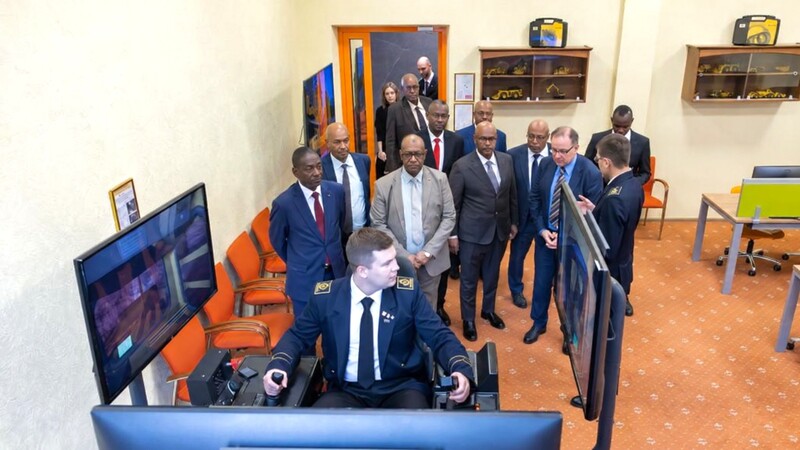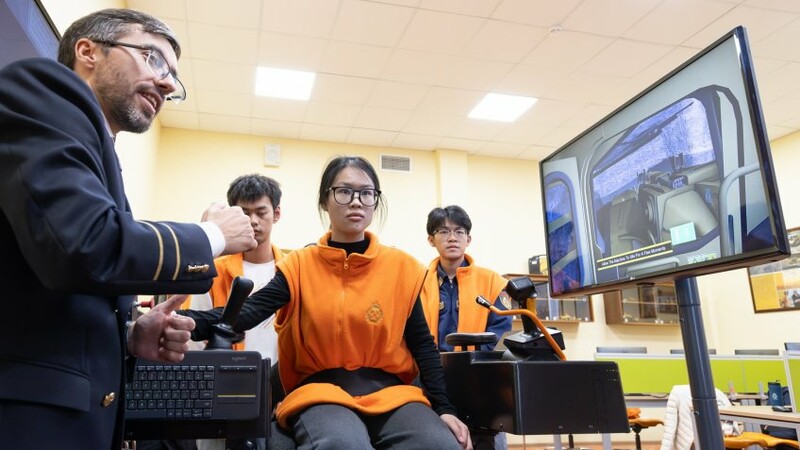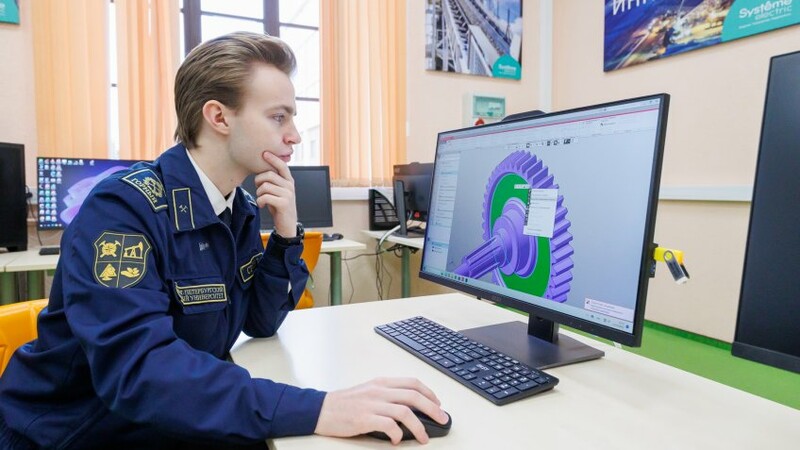


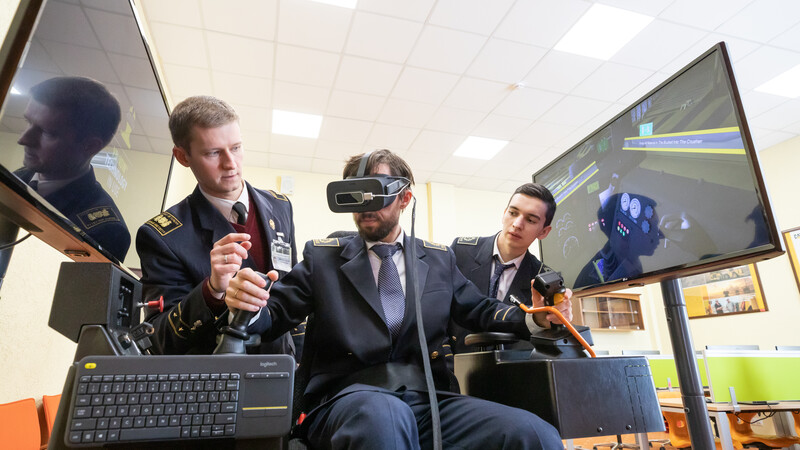
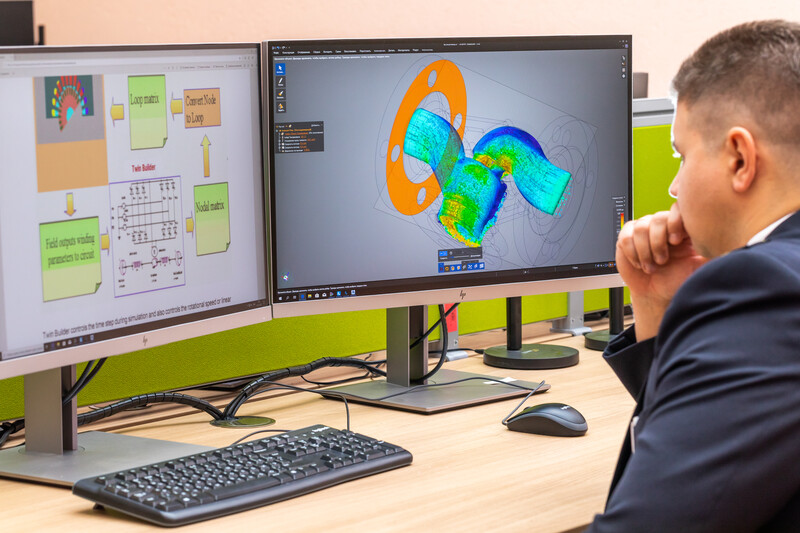

Cкорость научно-технологического прогресса и исчезновение определенных видов деятельности, связанное с проникновением автоматизации во все сферы производственных и управленческих процессов, являются факторами роста для предприятий будущего. Цифровая интеграция, объединяющая научные направления, кадры, процессы, пользователей и данные, создает условия для научно-технических достижений и прорывов, обеспечивая научно-экономические сдвиги в смежных отраслях и, прежде всего, на глобальном минерально-сырьевом рынке. В этой связи с целью обучения, исследований и разработок в области цифровых технологий для предприятий минерально-сырьевого и топливно-энергетического комплексов в Санкт-Петербургском горном университете императрицы Екатерины II реализуется деятельность Кафедры прикладных компетенций в области цифровых технологий.
Подробнее о задачах

Направления научных исследований

Научное сопровождение и обеспечение опережающей подготовки специалистов для топливно-энергетического и минерально-сырьевого комплексов с применением цифровых технологий

Теория и методология информационного обеспечения объектов недропользования

Переход к передовым цифровым, интеллектуальным производственным технологиям, роботизированным системам на предприятиях минерально-сырьевого и топливно-энергетического комплексов.

Энергосбережение и повышение энергетической эффективности

Прогнозирование устойчивого развития производственно-логистических цепочек топливно-энергетического и минерально-сырьевого комплексов

Устойчивые энергетические комплексы и системы при переходе к экологически чистой, ресурсосберегающей и конкурентоспособной энергетике.
Цель проводимых исследований:
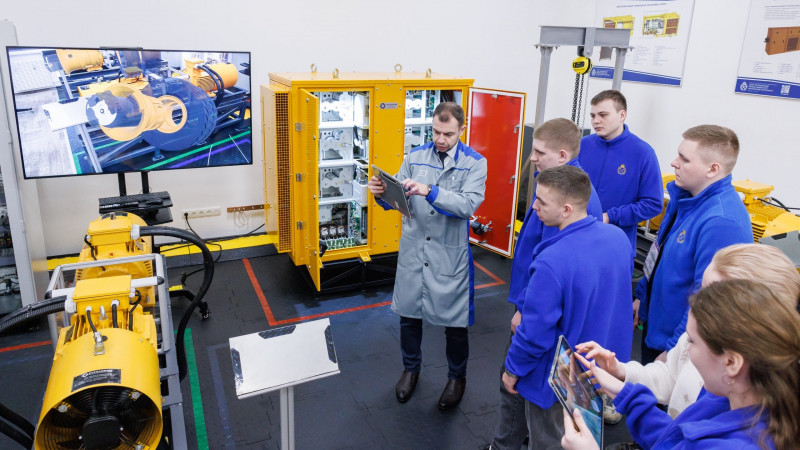
Создание системы непрерывного обучения и повышения квалификации, направленной на формирование профессиональных цифровых компетенций специалистов, необходимых для обеспечения инновационного развития ТЭК и МСК.
Ключевые компетенции:
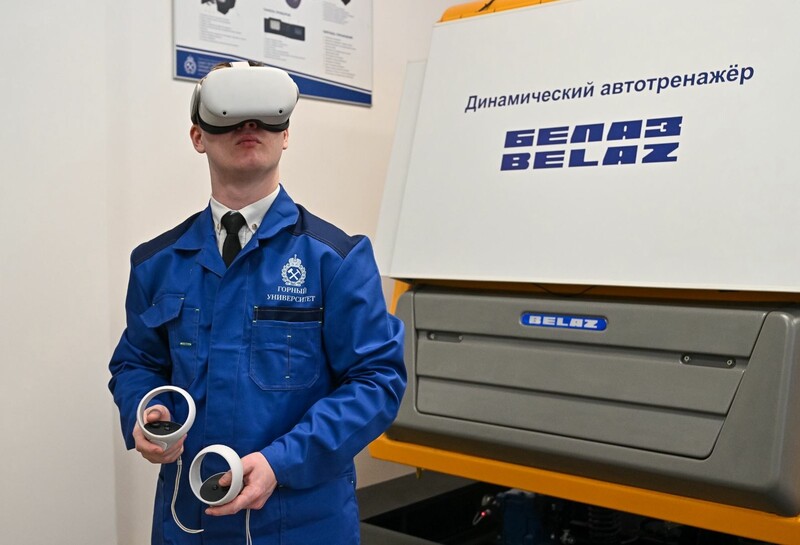
Разработаны, адаптированы и внедрены цифровые тренажерные комплексы и системы, сервисы и решения для образовательного и научно-исследовательских процессов для повышение качества подготовки инженерных и научно-педагогических кадров в области цифровых технологий.
Читать далее
Лаборатория
Создание системы непрерывного обучения и повышения квалификации, направленной на формирование профессиональных цифровых компетенций специалистов, необходимых для обеспечения инновационного развития ТЭК и МСК.
Ключевые компетенции:
Разработаны, адаптированы и внедрены цифровые тренажерные комплексы и системы, сервисы и решения для образовательного и научно-исследовательских процессов для повышение качества подготовки инженерных и научно-педагогических кадров в области цифровых технологий.


Цель проводимых исследований:
Разработка моделей, структур и алгоритмов интеллектуальных информационно-аналитических систем для поддержки принятия решений и управления рисками на объектах недропользования.
Ключевые компетенции:
Разработаны теории, методы, технологии кроссплатформенной интеграции между информационными системами, реестрами, моделирующими комплексами и средствами мониторинга.
Читать далее
Лаборатория
Разработка моделей, структур и алгоритмов интеллектуальных информационно-аналитических систем для поддержки принятия решений и управления рисками на объектах недропользования.
Ключевые компетенции:
Разработаны теории, методы, технологии кроссплатформенной интеграции между информационными системами, реестрами, моделирующими комплексами и средствами мониторинга.
Цель проводимых исследований:
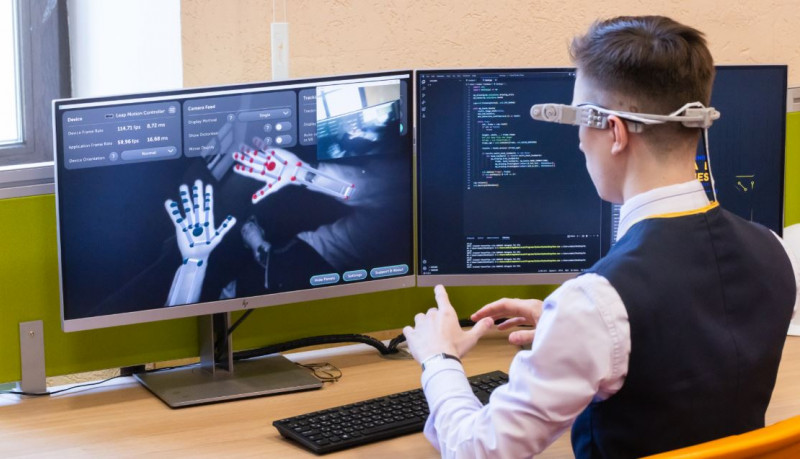
Разработка безлюдных технологий в производственных процессах предприятий ТЭК и МСК.
Ключевые компетенции:
Построены математические модели, разработаны численные методы и системы мониторинга, оценки состояния и управления комплексом оборудования на объектах добычи и транспортировки минеральных ресурсов и энергии.
Читать далее
Лаборатория
Разработка безлюдных технологий в производственных процессах предприятий ТЭК и МСК.
Ключевые компетенции:
Построены математические модели, разработаны численные методы и системы мониторинга, оценки состояния и управления комплексом оборудования на объектах добычи и транспортировки минеральных ресурсов и энергии.
Цель проводимых исследований:
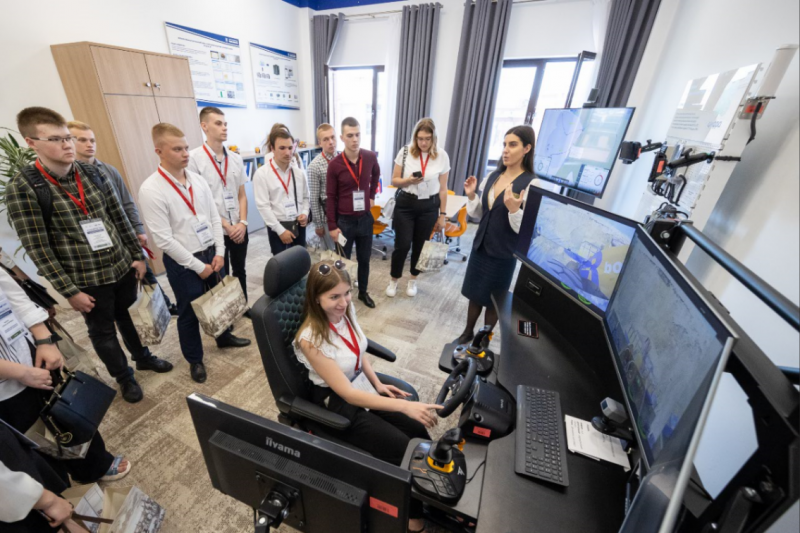
Разработка методологии и комплексных критериев оценки, технологий и методов управления энергоэффективностью на предприятиях топливно-энергетического (ТЭК) и минерально-сырьевого комплексов (МСК).
Ключевые компетенции:
Разработаны методические подходы к применению цифровых технологий в целях повышения энергоэффективности и энергосбережения на предприятиях МСК, а также комплексные критерии оценки энергоэффективности технологических процессов на предприятиях МСК.
Читать далее
Лаборатория
Разработка методологии и комплексных критериев оценки, технологий и методов управления энергоэффективностью на предприятиях топливно-энергетического (ТЭК) и минерально-сырьевого комплексов (МСК).
Ключевые компетенции:
Разработаны методические подходы к применению цифровых технологий в целях повышения энергоэффективности и энергосбережения на предприятиях МСК, а также комплексные критерии оценки энергоэффективности технологических процессов на предприятиях МСК.
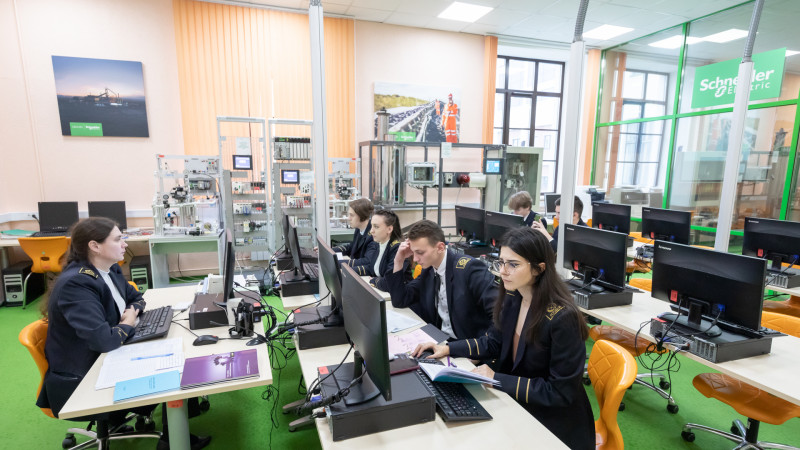
Цель проводимых исследований:
Информационно-аналитическое обеспечение систем поддержки принятия решений по управлению производственно-логистическими цепочками, балансами и инфраструктурой ТЭК и МСК.
Ключевые компетенции:
Разработаны технологии прогнозирования и моделирования перспективных балансов потребления, подходы к обоснованию развития энергетической инфраструктуры через анализ спроса. Получены математические модели прогнозирования спроса на виды энергии и энергетические ресурсы по отдельным видам потребителей, учитывающие не только рост, но и падение спроса на определенные категории потребителей при различных сценариях.
Читать далее
Лаборатория
Информационно-аналитическое обеспечение систем поддержки принятия решений по управлению производственно-логистическими цепочками, балансами и инфраструктурой ТЭК и МСК.
Ключевые компетенции:
Разработаны технологии прогнозирования и моделирования перспективных балансов потребления, подходы к обоснованию развития энергетической инфраструктуры через анализ спроса. Получены математические модели прогнозирования спроса на виды энергии и энергетические ресурсы по отдельным видам потребителей, учитывающие не только рост, но и падение спроса на определенные категории потребителей при различных сценариях.
Цель проводимых исследований:
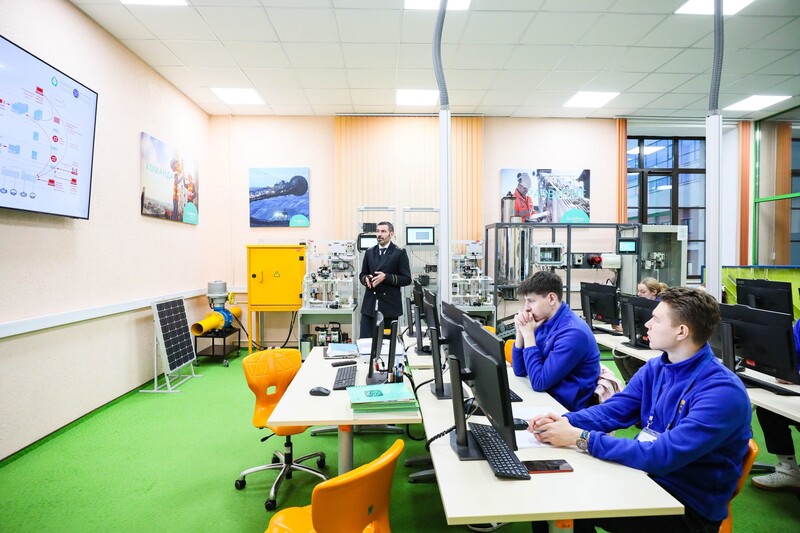
Разработка структуры, режимов работы и алгоритмов управления автономными и централизованными энергетическими комплексами на основе традиционных, возобновляемых и вторичных источников энергии.
Ключевые компетенции:
Разработаны методы обоснования состава, структур и показателей систем комбинированного энергообеспечения предприятий МСК и ТЭК на основе централизованных и автономных источников распределенной генерации.
Читать далее
Лаборатория
Разработка структуры, режимов работы и алгоритмов управления автономными и централизованными энергетическими комплексами на основе традиционных, возобновляемых и вторичных источников энергии.
Ключевые компетенции:
Разработаны методы обоснования состава, структур и показателей систем комбинированного энергообеспечения предприятий МСК и ТЭК на основе централизованных и автономных источников распределенной генерации.
Инициативные проекты


Научные публикации
The research of the impact of energy efficiency on mitigating greenhouse gas emissions at the national level
Ключевые слова:Energy efficiency | EROI | Greenhouse gas emissions | Fossil fuels | Renewable energy | Quantile regression
Дата публикации: 2024-08-15
Журнал: Energy Conversion and Management
Авторы: Tsvetkov, P, Samuseva, P, Nikolaychuk, L.A
ISSN:1879-2227
Q1
(Scimago)
Improving energy efficiency is considered to be important and cost-effective strategies to reduce greenhouse gas emissions, which is crucial in the face of global climate change. This study hypothesizes that there are significant differences in the impact of energy efficiency on economic and energy systems. Using quantile regression method, the impact of economic and energy characteristics on energy-related greenhouse gas emissions in 120 countries over the period 2010–2020 is investigated. Detailed analyses are conducted by dividing the countries into 12 groups based on gross national income per capita (Atlas method) and the share of resource rents in gross domestic product. A macro-level system of indicators for assessing energy efficiency is proposed, which can be linked to the economic and energy characteristics of the systems: National Energy Efficiency, Energy Intensity Ratio, Primary Energy Production Efficiency, Industrial Sector Energy Efficiency, Share of Low Carbon Energy, Population Energy Efficiency. The findings show that (1) global energy efficiency has remained largely unchanged over the decade; (2) there are differences in energy efficiency between fossil fuel producing and non-fossil fuel producing countries; (3) the factors that have an inverse effect on emissions in fossil fuels dependent countries include industrial energy efficiency and population energy efficiency, which are far from exhausting their potential; (4) despite the recognized importance of energy efficiency, its impact on reducing greenhouse gas emissions globally has been unnoticeable. The study highlights that Sustainable Development Goals 7 and 13 on energy affordability and emission reductions are conflicting and require harmonization of mechanisms to achieve them, such as balancing climate change mitigation investments, identifying the potential for energy efficiency improvements across economy or improving energy saving practices. The overall conclusion suggests that there is an urgent need to review current decarbonization and energy efficiency initiatives, given the lack of significant global progress in reducing greenhouse gas emissions or improving energy efficiency between 2010 and 2020.

Socialization of a person at the stage of entering university
Дата публикации: 2021-06-04
Журнал: E3S Web of Conferences
Авторы: Morgunov, V.V, Novikova, E.S.
ISSN:22671242
The purpose of this study is to analyze the main factors of socialization that affect a person at the stage of admission to a higher education institution. The study is based on a 2020 survey of students of St. Petersburg Mining University. The paper analyzes such factors as family influence, academic performance, changes in the circle of friends, and new conditions. As a result, each of the studied factors was characterized, as well as the phenomenon of value conflict and the possibility to consider high academic performance at university as an indicator of successful socialization were noted.
Designs and parameters of vehicles for bottom mining machines
Ключевые слова:deep-sea mining: development of deep-sea deposits: bottom mining machines: propellers of mining machines: ferromanganese nodules: deep-sea polymetallic sulfides: cobaltmanganese crusts: a complex for the development of minerals
Дата публикации: 2026-02-01
Журнал: Mining Informational and Analytical Bulletin
Авторы: Yungmeister, D.A, Serzhan, S.L, Korolev, I.R, Isaev, A.L, Fedorov, E.V
ISSN:0236-1493
Q2
(Scimago)
The article discusses the requirements for propellers of bottom mining machines
for the development of deep-sea deposits of such unique minerals as ferromanganese nodules,
deep-sea polymetallic sulfides, cobalt-manganese crusts. The main factor is the minimal impact
on the underwater ecosystem. Based on existing prototypes of mining machines and patents,
an analysis of the advantages and disadvantages of existing conceptual mechanisms for the
movement of mining machines was carried out, as a result of which it was determined that
the most promising machines are those that do not contact the surface of the seabed, but such
machines have a number of disadvantages. No less promising today are walking and tracked
vehicles. The paper presents simplified formulas for determining the required minimum traction force when moving underwater mining machines, and simplified formulas for determining
the speed of movement were obtained, which also clearly indicates the advantage of floating
mining machines. According to the obtained graphical dependencies, a set of parameters plays
an important role in the productivity of mining machines, including the speed of movement,
overall dimensions, weight, and shape of the machine. The article also describes a complex for
the extraction of minerals dispersed along the seabed, developed by the staff of the Department
of Mechanical Engineering of St. Petersburg State University with various configuration options for the complex depending on the type of mineral, as well as the density of its distribution.
Отзывы партнёров
"Together with the Educational Center of Digital Technologies at St. Petersburg Mining University, we have been collaborating for several years to shape fundamental and applied challenges and ideas for the digitalisation of the mining industry."
"We are very glad to be part of the process that the Educational Center of Digital Technologies at St. Petersburg Mining University is engaged in. We are confident that this centre can become an assembly point for all those new solutions that will bring the mining industry to a new level."
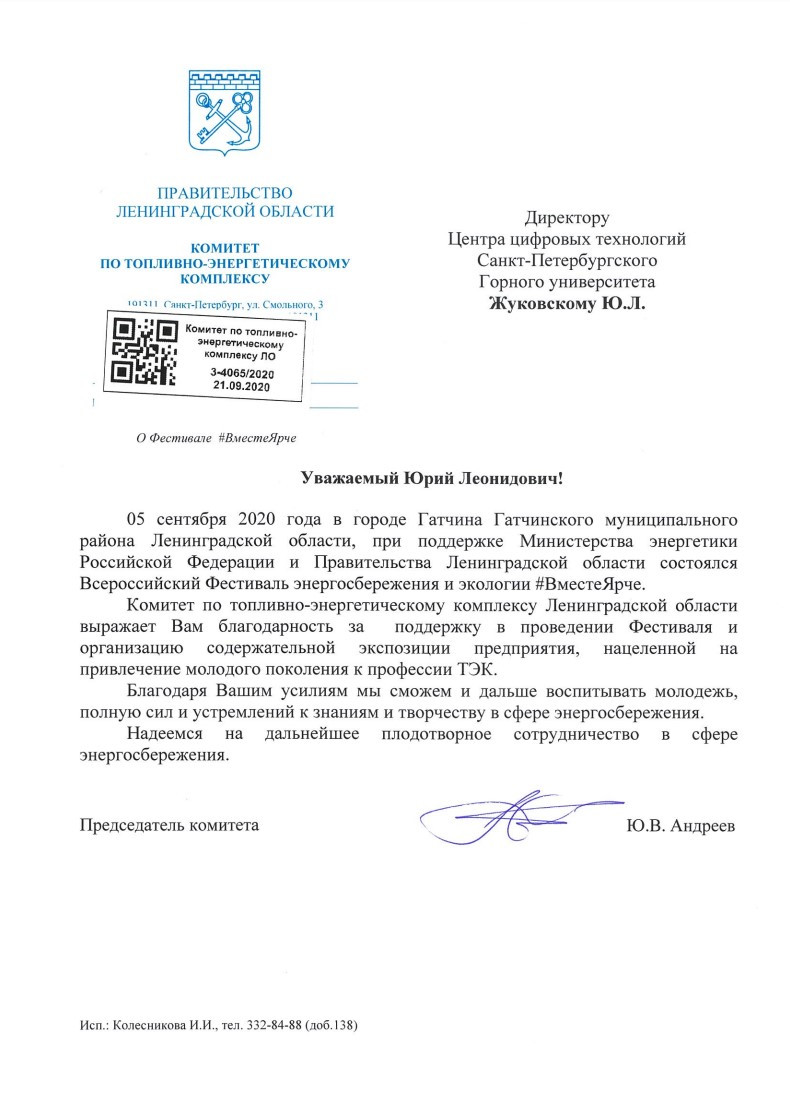
The Committee for the Fuel and Energy Complex of the Leningrad Region expresses its gratitude to you for your support in holding the Festival and organising an informative exposition of the enterprise aimed at attracting the young generation to the fuel and energy complex profession.
Thanks to your efforts, we will be able to further educate young people full of strength and aspirations for knowledge and creativity in the field of energy saving.
We hope for further fruitful co-operation in the field of energy saving.
Thanks to your efforts, we will be able to further educate young people full of strength and aspirations for knowledge and creativity in the field of energy saving.
We hope for further fruitful co-operation in the field of energy saving.
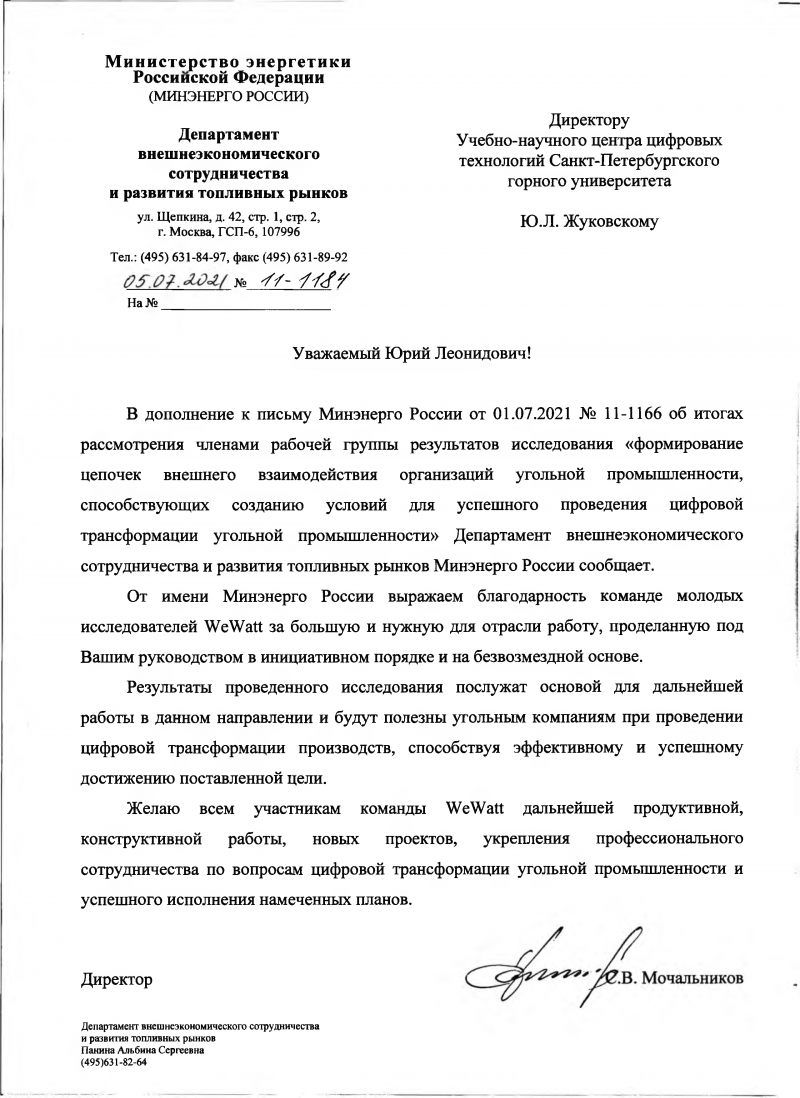
On behalf of the Ministry of Energy of Russia, we would like to express our gratitude to the WeWatt team of young researchers for the great and necessary work for the industry, done under your leadership on a proactive and pro bono basis.
The results of this study will serve as a basis for further work in this area and will be useful to coal companies in carrying out digital transformation of production facilities, contributing to the effective and successful achievement of the goal.
The results of this study will serve as a basis for further work in this area and will be useful to coal companies in carrying out digital transformation of production facilities, contributing to the effective and successful achievement of the goal.
Institute for Problems of Integrated Subsoil Development, Dmitry Klebanov
Leonid Zhukov, Director of SITECH Division of Zeppelin Rusland Ltd.
Committee for Fuel and Energy Complex, Chairman of the Committee Y.V. Andreev
Ministry of Energy of the Russian Federation

Кафедра в лицах
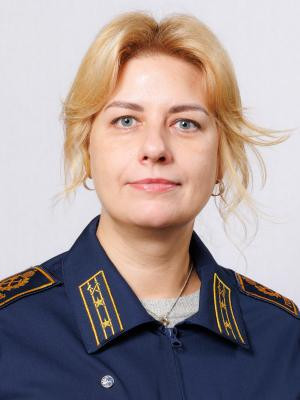
Николайчук Любовь Анатольевна
Заведующая кафедрой прикладных компетенций в области цифровых технологий
к.э.н. / доцент
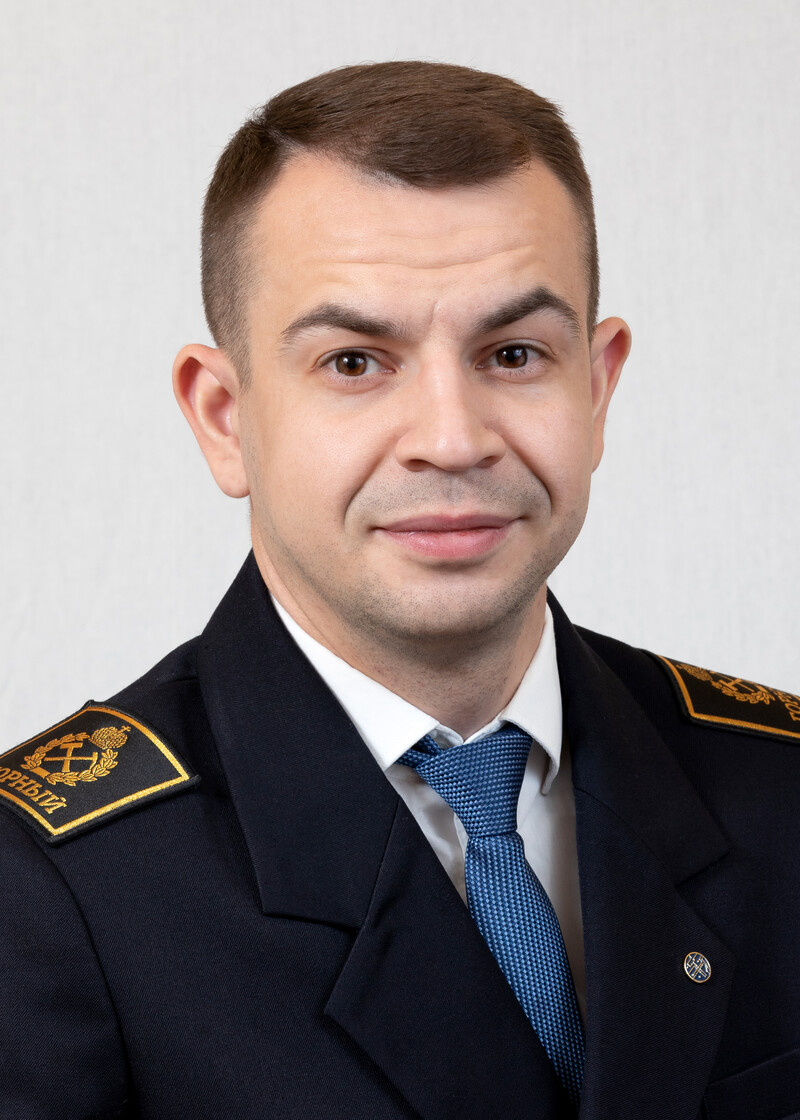
Королёв Николай Александрович
Руководитель направления энергетических и электромеханических систем
к.т.н. / доцент
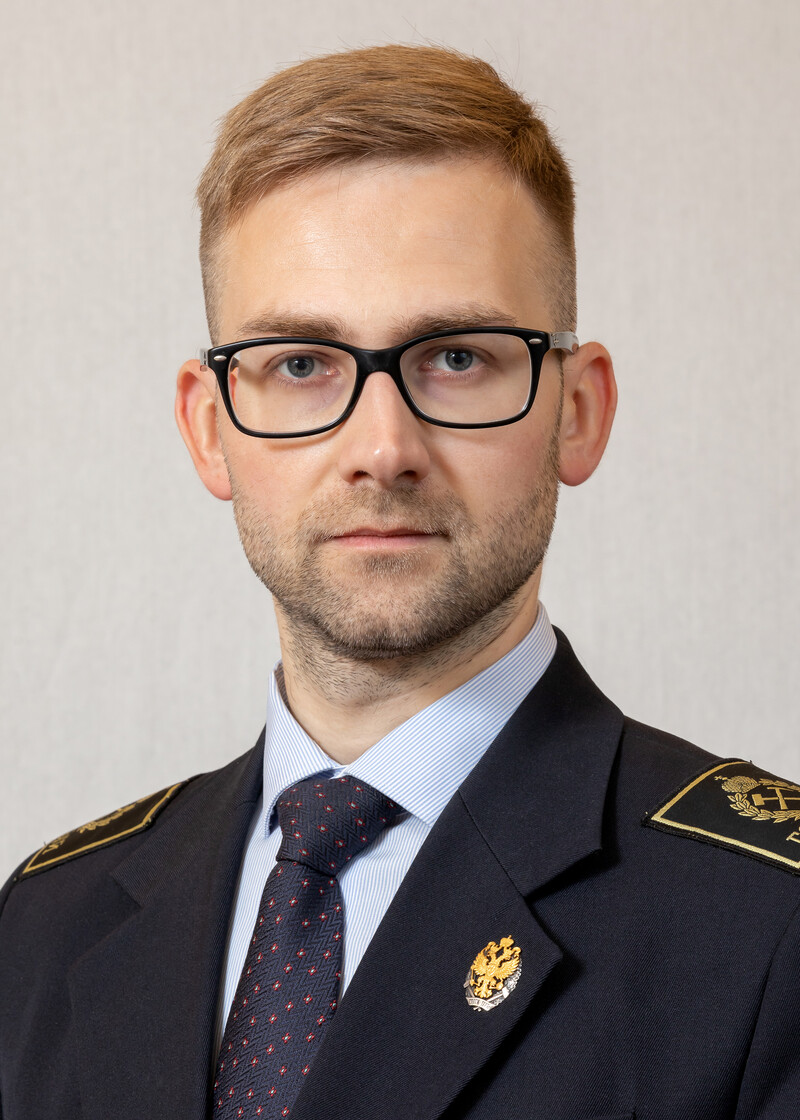
Сержан Сергей Леонидович
Руководитель направления горно-транспортных систем
к.т.н. / доцент
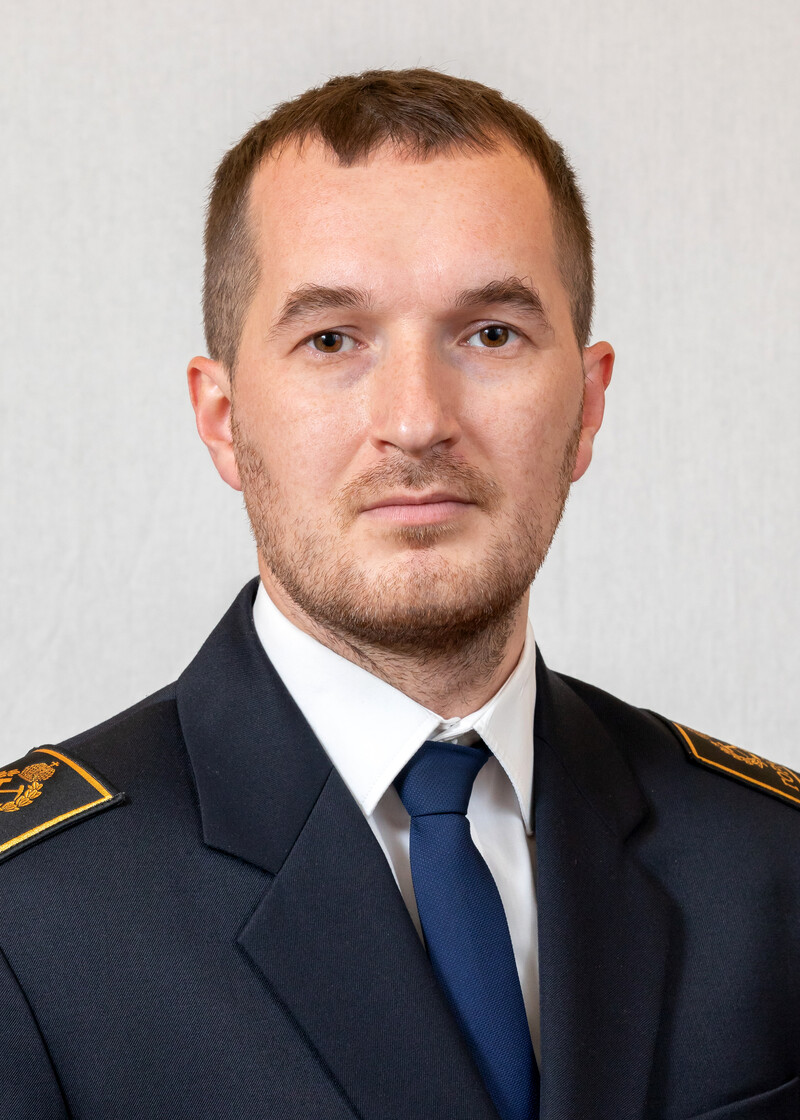
Чупин Станислав Александрович
Руководитель направления компьютерного моделирования
к.т.н. / доцент
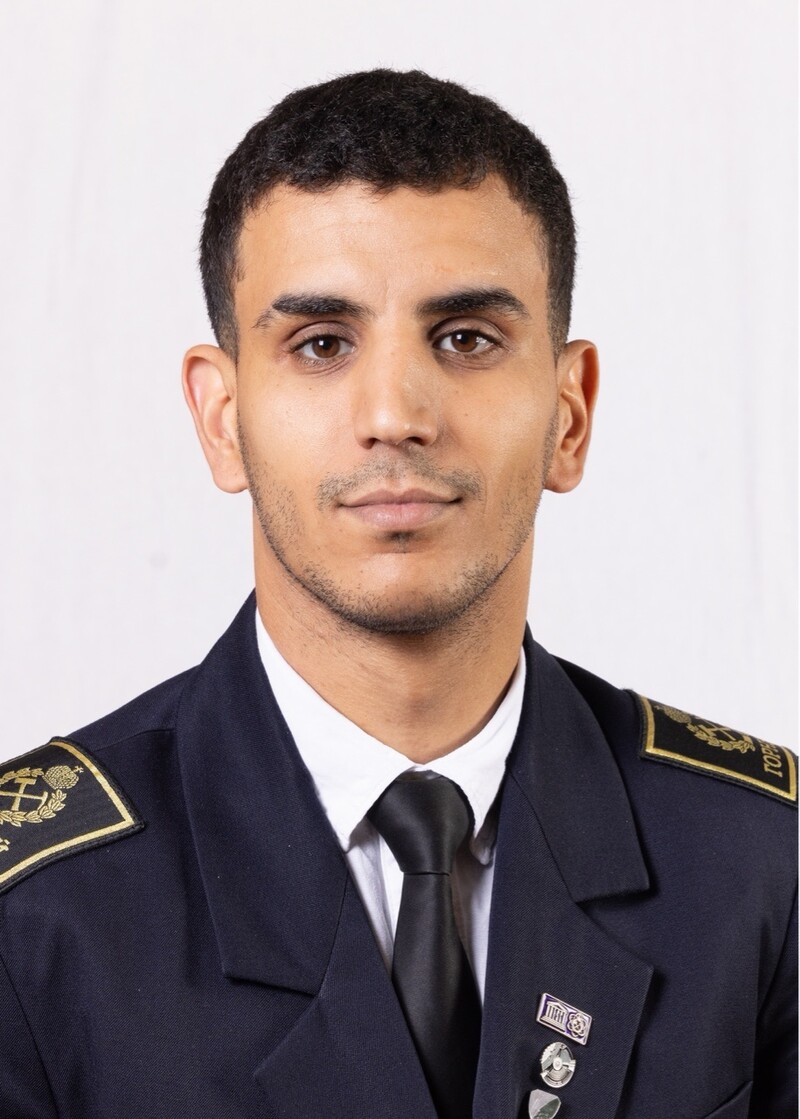
Бугебрин Шуаиб
Ассистент
к.т.н. / ассистент
Партнеры





Обратная связь